


A Tourist’s Guide to Buy Authentic Jade in Ho Chi Minh City
Thứ Ba,
25/08/2026
Vietgemstones

If you are visiting Vietnam and wondering where to buy jade in Ho Chi Minh City, you may have already discovered that jade is more than just a beautiful gemstone.
Across Asia, jade has been treasured for centuries for its beauty, craftsmanship, and cultural meaning. In Vietnam, jadeite jade, commonly known as ngọc cẩm thạch, is especially appreciated for its distinctive colors, translucency, and natural character.
For travelers, buying a piece of natural jade can be a meaningful way to bring home something connected to Vietnamese culture. But if you are new to jade, knowing what makes real jade different from fake jade, understanding terms such as Type A jade, and finding a trustworthy place to shop can feel confusing.
This guide will help you understand the basics of jade and shop for authentic jade in Ho Chi Minh City with greater confidence.
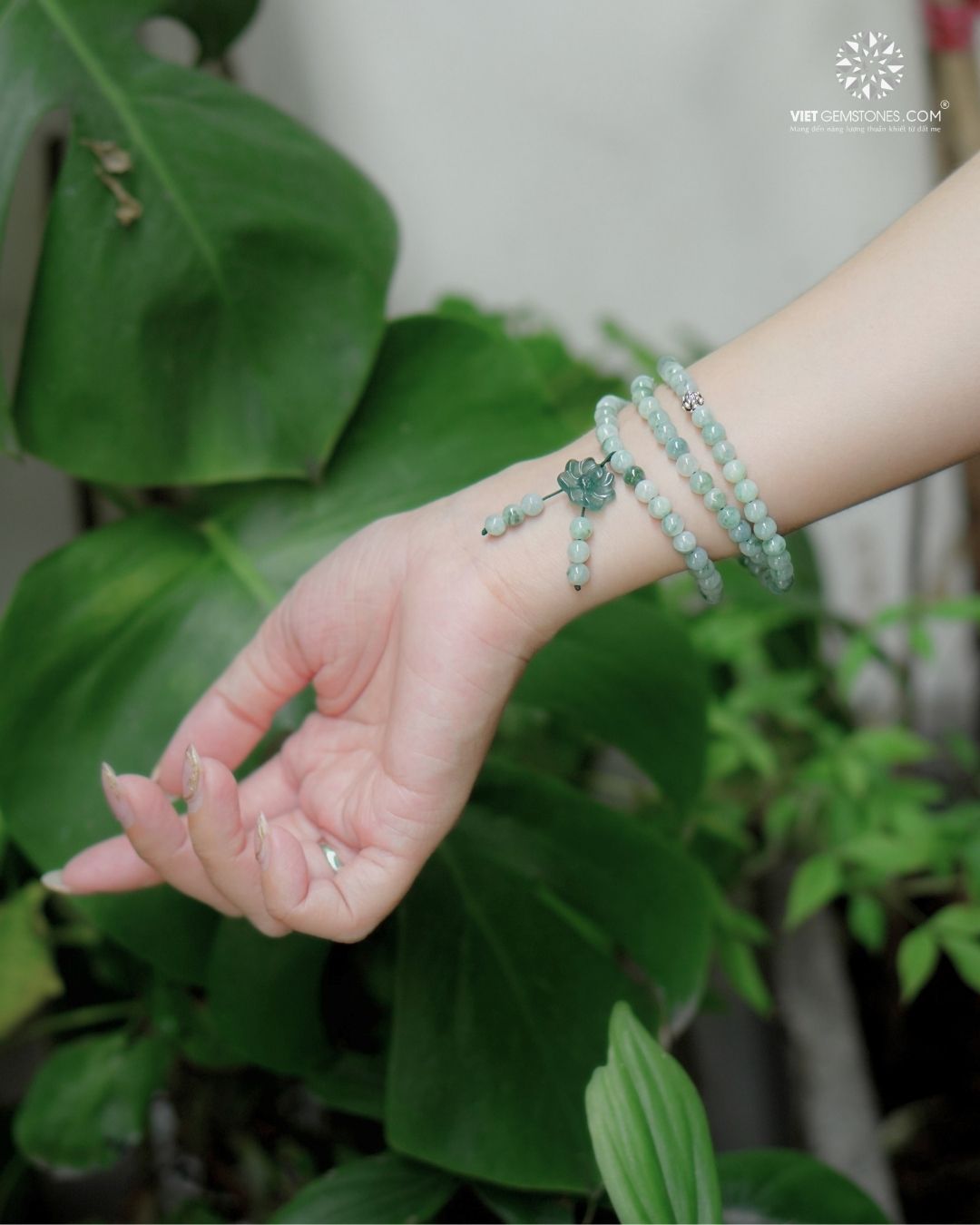

1. What Is Jade? Understanding Jadeite Jade Before Buying One
Before buying jade, it is important to understand what the word actually means.
There are two main types of jade: jadeite and nephrite. While both are natural minerals traditionally known as jade, they are different materials with different physical characteristics.
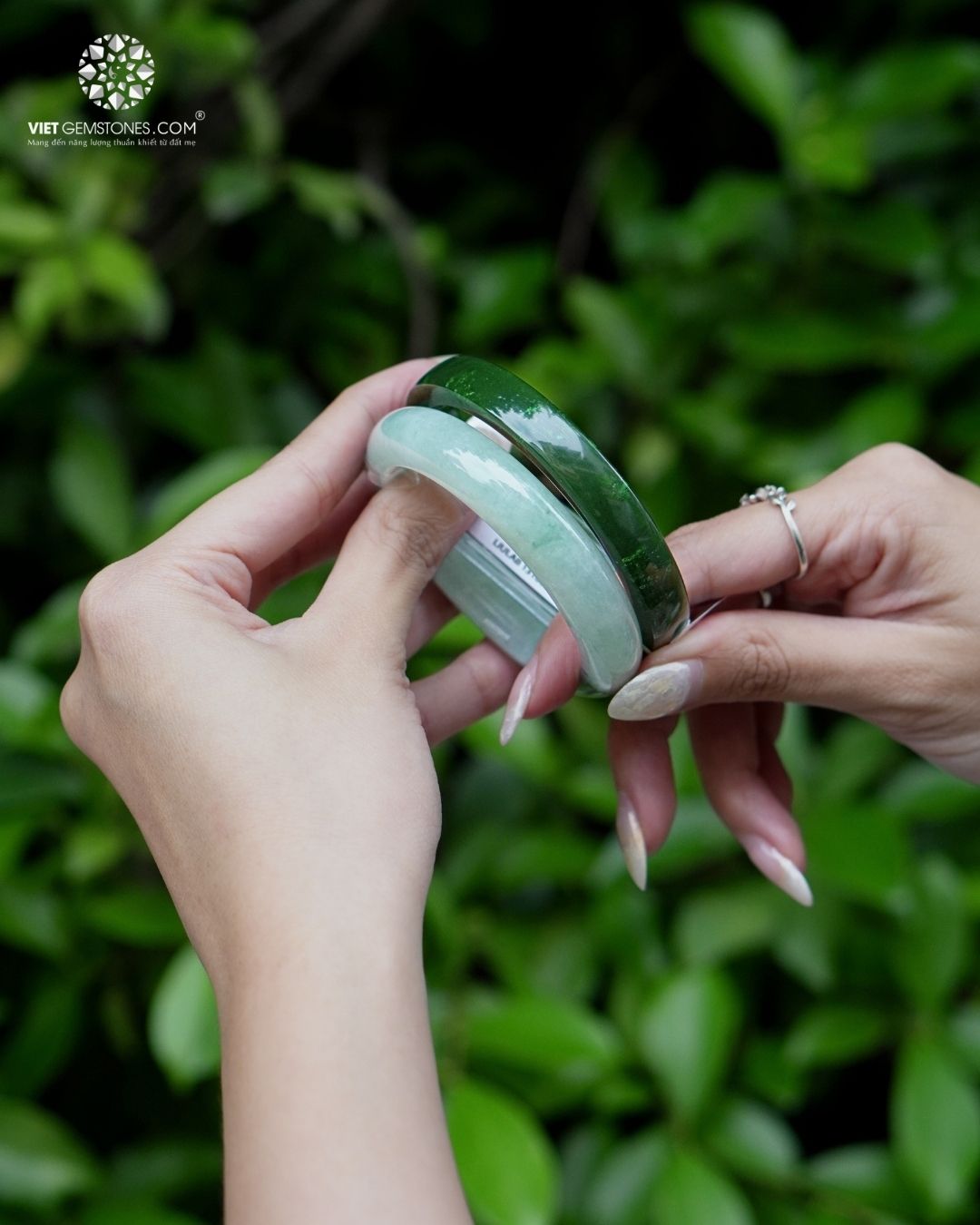
Jadeite Jade on the left while Nephrite Jade on the right
When people talk about jadeite jade, they are referring specifically to jadeite, the gemstone that is commonly associated with high-quality jade jewelry and carved jade pieces.
In Vietnam, the term ngọc cẩm thạch generally refers to jadeite.
Natural jadeite can appear in many colors, including different shades of green, white, lavender, yellow, and combinations of colors within the same stone. Green may be the most recognizable, but there is no single “jade color.”
This is one of the first things beginners should remember: Real jade is not defined by color alone.
2. Learn the Three Things That Matter: Color, Texture, and Transparency. What Makes Jadeite Jade Valuable?
For someone buying jade for the first time, it can be tempting to judge a stone simply by its color. But jadeite jade is evaluated through several characteristics.
Color
Color is often the first thing that catches the eye.
Green jade is perhaps the most iconic, but jadeite can come in many natural colors. What matters is not simply whether the color is vivid, but also its tone, distribution, and overall harmony within the stone.
A softer, more subtle color can be just as beautiful as a vivid one - especially when the stone has good texture and translucency.
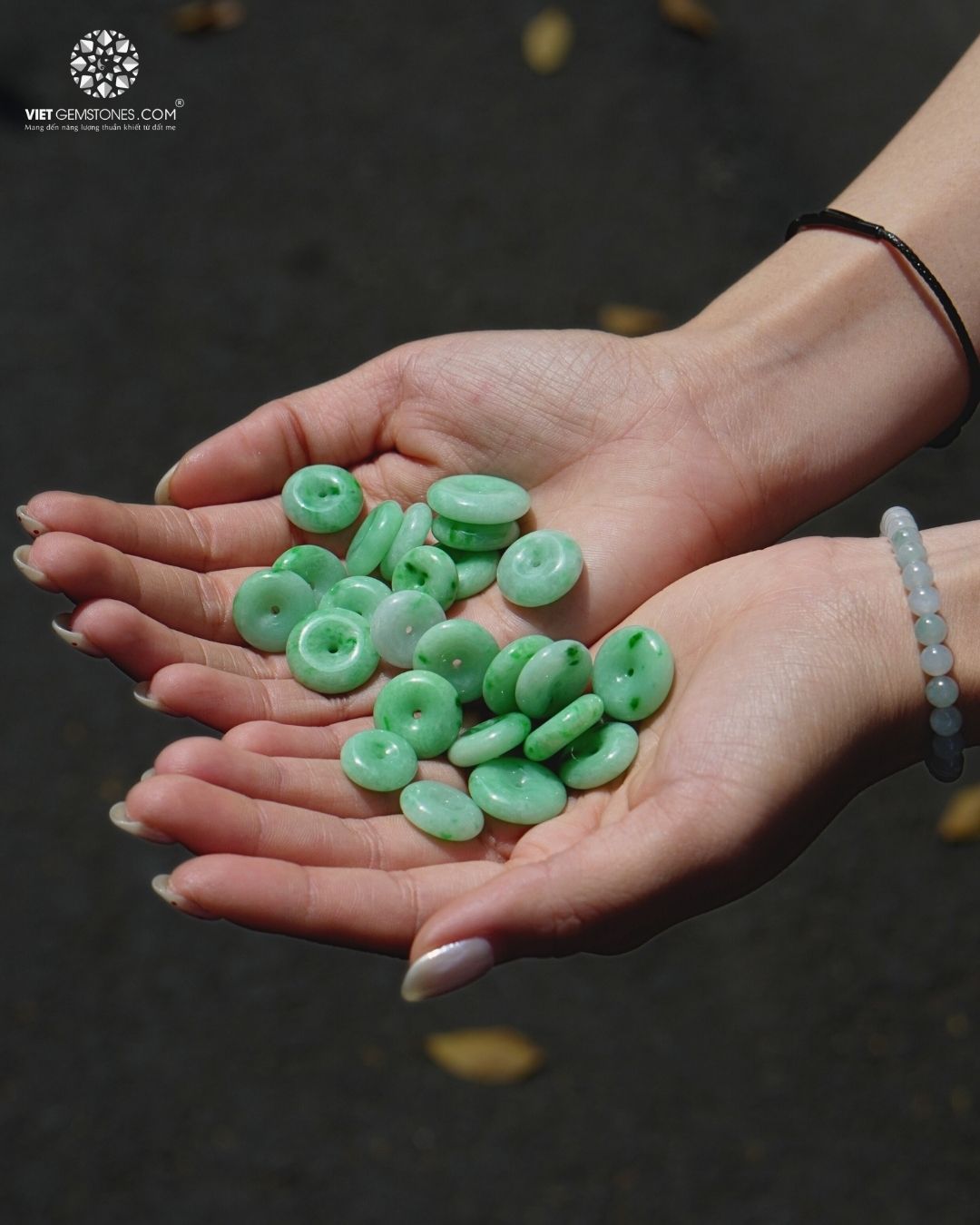
Pi Disc Green Jadeite Jade - Type A Jadeite Jade

Texture
Look closely at the stone's internal structure.
Fine-textured jade tends to have a smoother, more refined appearance. When polished, it can develop a beautiful softness and depth that is difficult to reproduce in other materials.
This is one reason experienced jade collectors often spend time looking at a stone under different lighting rather than making a decision based on a quick glance.
Transparency
Jade is not usually valued for being completely transparent like glass. Instead, collectors often appreciate a gentle translucency - the way light seems to enter the stone and create a sense of depth.
Hold a piece under natural or neutral light when possible. You may notice that the stone looks different from one angle to another. That subtle change is part of jade's character.
These details are difficult to appreciate through photographs alone, which is one reason visiting a reputable jade shop in person can be such a valuable experience.
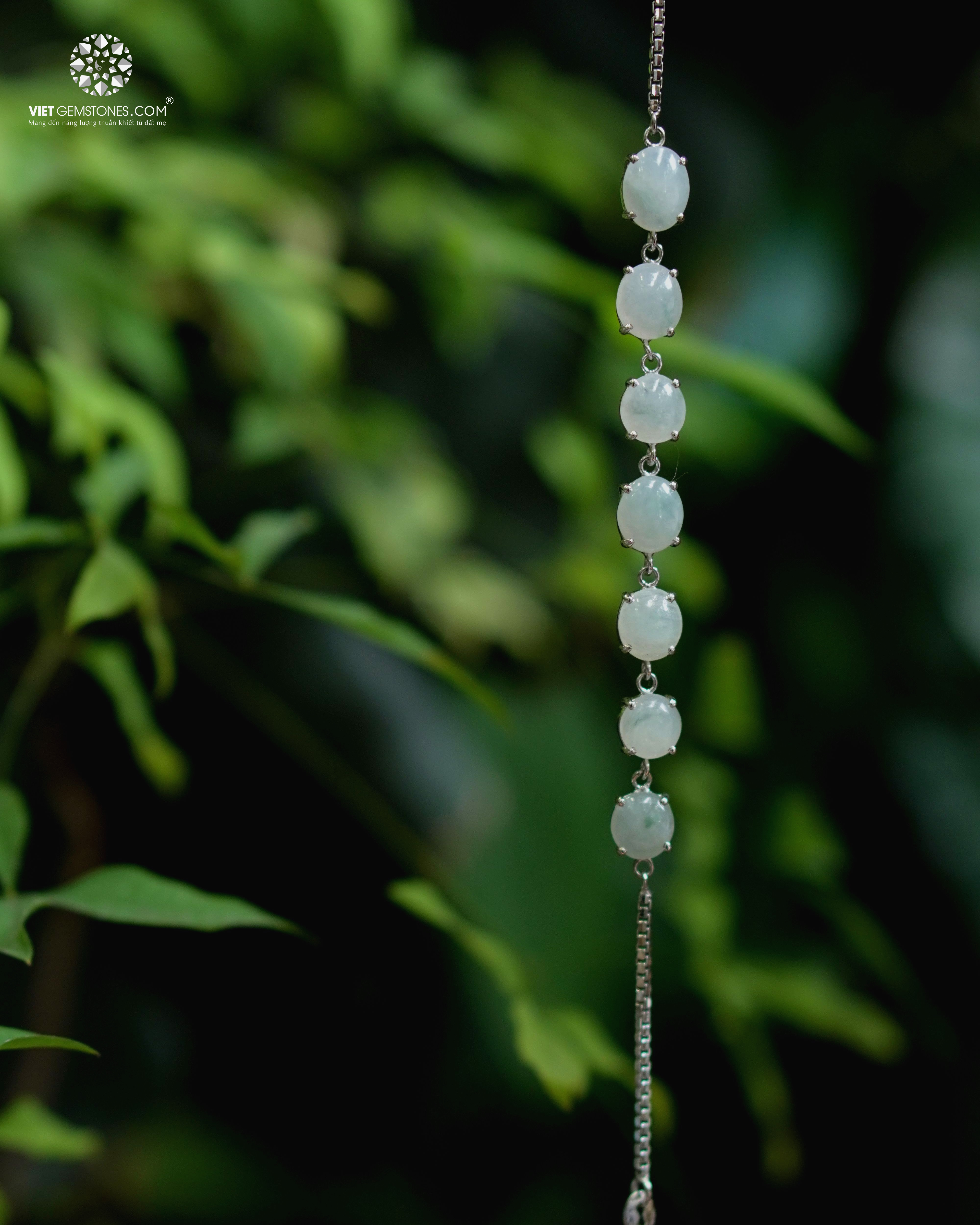
7 cabochon jadeite jade silver bracelet - Type A jadeite

Don't Buy Jade Based on Color Alone
A common mistake when buying jade is assuming:
“The greener it is, the better it is.”
Jade is not that simple.
Two pieces may have a similar green color but very different textures, translucency, structures, and craftsmanship.
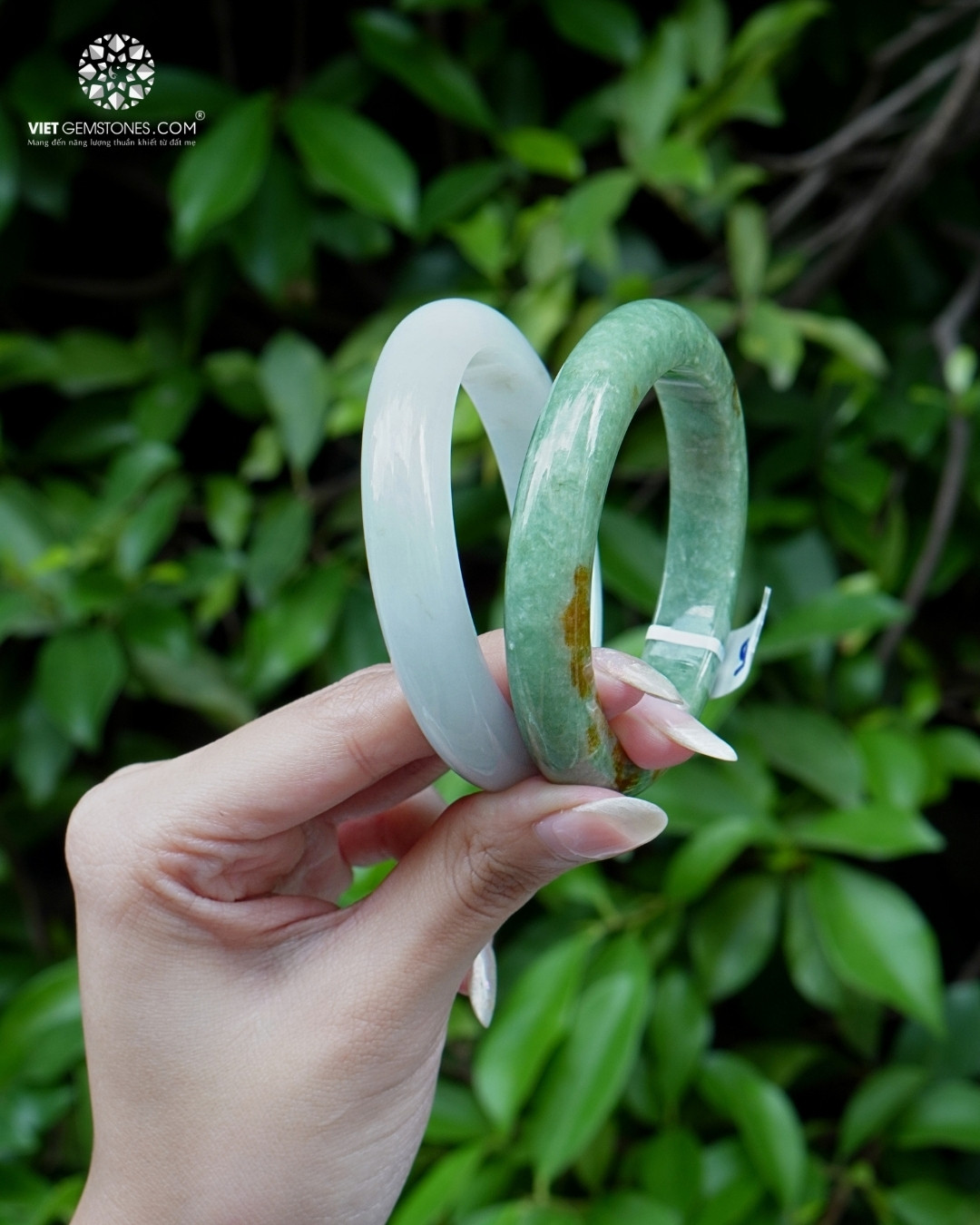

Instead of asking only:
“How green is this jade?”
ask:
“What makes this particular piece valuable?”
A knowledgeable seller should be able to explain the characteristics of the stone rather than relying only on words such as “rare,” “premium,” or “lucky.”
This is particularly important when comparing real jade and fake jade, or when deciding between different grades of natural jade.
3. Ask About Jade Treatment: Natural Jade or Treated Jade? And What Does Type A Jade Mean?
If you are researching authentic jade before your trip, you will probably come across the term Type A jade.
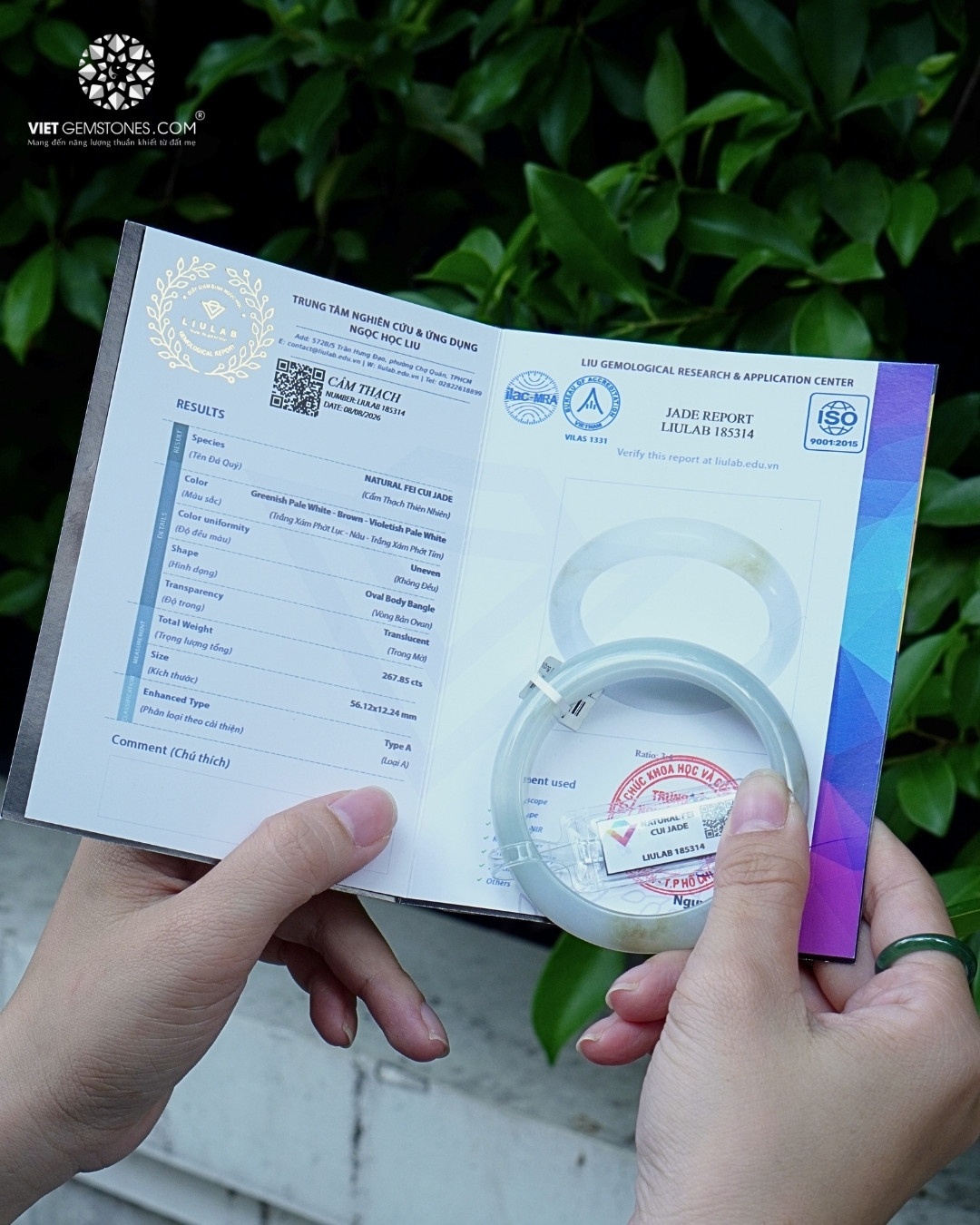
This is an important distinction in the jade market.
Type A jade generally refers to natural jadeite that has not been chemically treated to alter its structure. Traditional polishing may still be used.
Other classifications, such as Type B and Type C jade refer to jadeite that has undergone different forms of treatment to change its appearance or characteristics.
For a buyer looking specifically for natural jade, asking whether a piece is Type A jade is therefore an important question.
However, remember that “Type A” does not automatically tell you everything about the quality or value of a piece.
Two pieces of Type A jade can still differ greatly in color, texture, translucency, size, craftsmanship, and overall quality. So when buying Type A jade, look at the whole stone rather than focusing on one label.
4. Be Careful With Prices That Seem Too Good to Be True
Jade comes in a very wide range of qualities and prices. A low price does not necessarily mean it's a bad product, just as a high price does not automatically mean exceptional quality.
The important thing is to understand what you are paying for.
If a seller describes a piece as rare, highly valuable, or investment-grade, ask what characteristics support that claim. A reputable seller should be able to explain the price rather than relying only on words such as “rare,” “lucky,” or “premium.”
For travelers, this is especially important because it can be difficult to compare prices when you are unfamiliar with the local market.
Take your time. Ask questions. Look at several pieces before making a decision.
5. Buy From a Seller Who Is Willing to Explain
Perhaps the most useful tip for a first-time jade buyer is surprisingly simple:
Choose the seller as carefully as you choose the stone.
A good jade shop should not make you feel pressured to buy immediately. The staff should be willing to explain the material, answer questions, show you different pieces, and let you understand what makes each stone different.
For international visitors, communication matters even more. Being able to discuss the stone in English and receive clear information about its material, treatment, craftsmanship, care, and certification can make the shopping experience much more comfortable.
6. Why Buy Jade in Ho Chi Minh City?
Ho Chi Minh City is a lively meeting point of commerce, culture, craftsmanship, and contemporary Vietnamese life. Beyond its cafés, architecture, and street food, the city is also a place where visitors can discover Vietnamese traditions through materials and objects that people continue to use today.
Jade is one of them.
Rather than buying a generic souvenir, travelers can choose a piece of jade jewelry or a small carved object that carries a connection to Vietnamese craftsmanship and Asian jade culture.
A jade bangle, pendant, ring, bracelet, or carved pieces can become a quieter kind of souvenir - something you continue to wear or keep long after the trip is over.
7. Discover Jade at VietGemstones
For travelers looking to explore jade in Ho Chi Minh City, VietGemstones is a destination for discovering natural gemstones and jade jewelry with a distinctly Vietnamese perspective.
Since 2014, VietGemstones has been working with natural gemstones and creating jewelry and crafted objects that bring the beauty of these materials into everyday life.
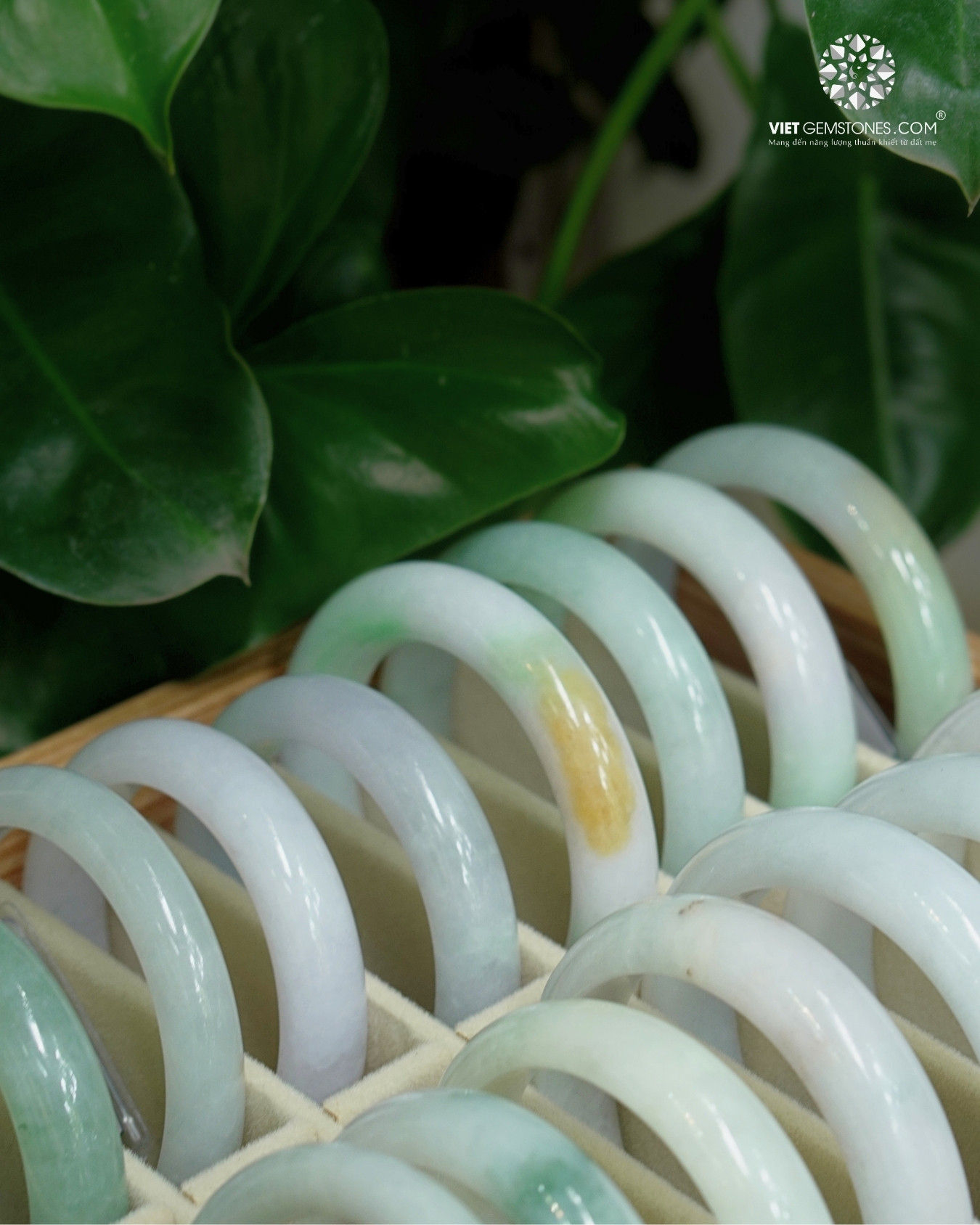
Our collection includes ngọc cẩm thạch jadeite jewelry, from rings and pendants to bracelets, bangles, and carefully carved pieces. Each stone has its own natural color, pattern, and character, so choosing a piece is often less about finding the “perfect” stone and more about finding the one that speaks to you.
For those who are new to jade, our team is always happy to explain.
We believe buying jade should feel like a conversation, not a sales pitch. Our staff are knowledgeable about the materials we work with, while remaining friendly, patient, and attentive to each customer's questions and preferences.
Whether you already know exactly what you are looking for or simply want to understand jade better, you are welcome to take your time, compare different stones, and ask as many questions as you need.
For selected pieces, VietGemstones can also provide gemstone testing or certification upon request, giving customers additional information and confidence when choosing a natural stone.
A Piece of Jade, A Piece of the Journey
Buying jade in Ho Chi Minh City does not have to be intimidating.
You do not need to become a jade expert before walking into a shop. Start with the basics: understand what jadeite is, ask about treatment, look at color, texture, and translucency, pay attention to craftsmanship, and most importantly, buy from a seller who is willing to explain what you are purchasing.
And perhaps the most beautiful part is this: natural jade is never completely identical from one piece to another.
The subtle variations in color, the patterns within the stone, and the marks left by nature are what give each piece its own character.
So when you leave Ho Chi Minh City with a piece of jade, you are not simply taking home a gemstone. You are taking home a small piece of nature, craftsmanship, and a story from your journey through Vietnam.
If you are visiting Ho Chi Minh City and looking for authentic jade, VietGemstones welcomes you to explore our collection, learn more about jade, and find a piece that feels uniquely yours.
Từ khóa:
feicui
jade
jadeite
natural jade
ngọc cẩm thạch
ngọc phỉ thúy
type a jade
where to buy jade
Bạn có thể quan tâm

Chọn phỉ thúy theo màu hay theo chủng? | Vietgemstones
Chọn phỉ thúy theo màu hay theo chủng? Hiểu đúng để chọn viên ngọc phù hợp Khi tìm hiểu về phỉ thúy, một trong những câu hỏi nhiều người thường gặp là: nên chọn phỉ thúy tên - màu hay theo chủng? Có người bị thu hút bởi một sắc xanh đẹp ngay từ ánh nhìn đầu tiên. Có người lại quan tâm đến độ trong, độ mịn và cấu trúc của viên ngọc. Cũng có người sau khi tìm hiểu lâu hơn mới nhận ra rằng, vẻ đẹp của phỉ thúy không nằm ở một tiêu chí duy nhất. Vì vậy, thay vì đi tìm câu trả lời rằng màu hay chủng quan trọng hơn, hãy cùng Vietgemstones tìm hiểu vẻ đẹp...
Thứ Sáu, 21/08/2026

Khánh Treo Xe – Một Nét Đẹp Trong Văn Hóa Cầu Bình An Của Người Việt
Trong mỗi chuyến đi, điều mà ai cũng mong muốn không phải là đến nơi nhanh nhất, mà là đến nơi bình an. Có lẽ vì vậy mà từ rất lâu, người Việt đã hình thành thói quen mang theo bên mình những vật tượng trưng cho sự may mắn và bình an khi di chuyển. Ngày trước, đó có thể là một túi vải nhỏ đựng bùa bình an, một đồng xu cổ, một nhành lá được xin ở chùa đầu năm. Ngày nay, hình ảnh quen thuộc hơn là chiếc khánh treo xe được treo trước gương chiếu hậu của ô tô. Đó không đơn thuần là một món phụ kiện trang trí, mà còn là một biểu tượng mang theo...
Thứ Năm, 13/08/2026

Where to Buy Jade in HCMC — A Guide from VietGemstones
If you are searching for natural jade in Ho Chi Minh City, you have probably noticed how many different jade products are available on the market today. From inexpensive treated stones to high-value natural jadeite, finding a place that is transparent and trustworthy can sometimes feel difficult — especially for international visitors and overseas Vietnamese returning to Vietnam. At VietGemstones, we believe that buying jade and gemstones should feel personal, comfortable, and honest. That is why we focus on offering natural gemstones and Type A jade while helping customers gain a deeper understanding of the stones they are choosing. Our focus is on natural gemstones and Type A jade, while also helping customers better understand the stones they are choosing. Natural Gemstones and...
Thứ Sáu, 22/05/2026

CẢNH BÁO LỪA ĐẢO MẠO DANH VIETGEMSTONES
CẢNH BÁO LỪA ĐẢO MẠO DANH VIETGEMSTONES Gần đây, VIETGEMSTONES ghi nhận một số trường hợp đối tượng xấu lợi dụng hình ảnh và uy tín của thương hiệu để thực hiện hành vi lừa đảo trong mua bán đá tự nhiên, đặc biệt dưới hình thức chào mời mua sỉ. Cụ thể, các đối tượng này thường: Chủ động liên hệ qua số điện thoại lạ Đề nghị giao dịch với mức giá sỉ hấp dẫn Yêu cầu khách hàng đặt cọc trước Hẹn gặp tại địa chỉ của VIETGEMSTONES để tạo lòng tin Tuy nhiên, VIETGEMSTONES khẳng định: Tất cả các giao dịch, đặc biệt là đơn hàng sỉ, đều được xác nhận qua tin nhắn văn bản chính thức hoặc trao đổi trực tiếp Không thực...
Thứ Tư, 18/03/2026

Các loại dây suôn vòng tay chuyên dụng tại VietGemstones
Tại VietGemstones, mỗi chiếc vòng tay không chỉ được chọn đá kỹ lưỡng mà còn được cân nhắc kỹ về kết cấu dây. Dây quyết định độ bền, form dáng và cả trải nghiệm đeo lâu dài. Từ dây thun co giãn chuyên dụng, dây cab chống nước cứng form, đến dây vải thắt mala cho các thiết kế mang tính truyền thống – tất cả đều được cân nhắc để đảm bảo vòng không chỉ đẹp khi mới hoàn thiện, mà còn bền và ổn định trong quá trình đeo lâu dài. 1. Dây thun co giãn chuyên dụng Sử dụng cho các vòng tay đá dạng hạt kiểu truyền thống hoặc các vòng phối charm bạc kiểu đơn giản. Ưu điểm Độ bền...
Thứ Tư, 25/02/2026

Thông báo điều chỉnh giá tại Viet Gemstones
Thời gian gần đây, bạc đang bước vào một giai đoạn biến động mạnh. Vì vậy, Viet Gemstones xin thông báo điều chỉnh tăng giá đối với các sản phẩm sử dụng bạc trong chế tác, áp dụng từ thời điểm hiện tại. Đây không chỉ là một thay đổi mang tính vận hành — mà còn là một dấu hiệu cho thấy bạc đang trở lại vị thế quan trọng hơn bao giờ hết. Điều chỉnh tại Viet Gemstones Trước biến động nguyên liệu đầu vào, Viet Gemstones sẽ tiến hành điều chỉnh giá đối với các sản phẩm chế tác từ bạc theo hướng phù hợp với biến động giá bạc trên thị trường. Ngoài việc điều chỉnh giá, chúng mình vẫn...
Thứ Năm, 05/02/2026