


Ngộ Đạo Là Gì? Vì Sao Người Phương Đông Luôn Trân Quý Hành Trình Tìm Về Chính Mình?
Thứ Năm,
23/07/2026
Vietgemstones

English Below
Có những điều trong cuộc sống, chúng ta nghe rất nhiều lần nhưng chưa chắc đã thật sự hiểu.
Ta biết rằng mọi thứ rồi sẽ đổi thay, nhưng vẫn buồn khi phải chia ly. Ta hiểu rằng tiền bạc không phải tất cả, nhưng vẫn miệt mài chạy theo chúng. Ta nghe người khác nói về sự bình an, nhưng chỉ đến khi ta tự mình đi qua những biến động của cuộc đời ta mới nhận ra bình an thật sự là gì.
Người phương Đông gọi khoảnh khắc ấy là "ngộ đạo".
Không phải là biết thêm một điều mới, mà là nhìn lại một điều vốn đã luôn tồn tại bằng một nhận thức hoàn toàn khác.
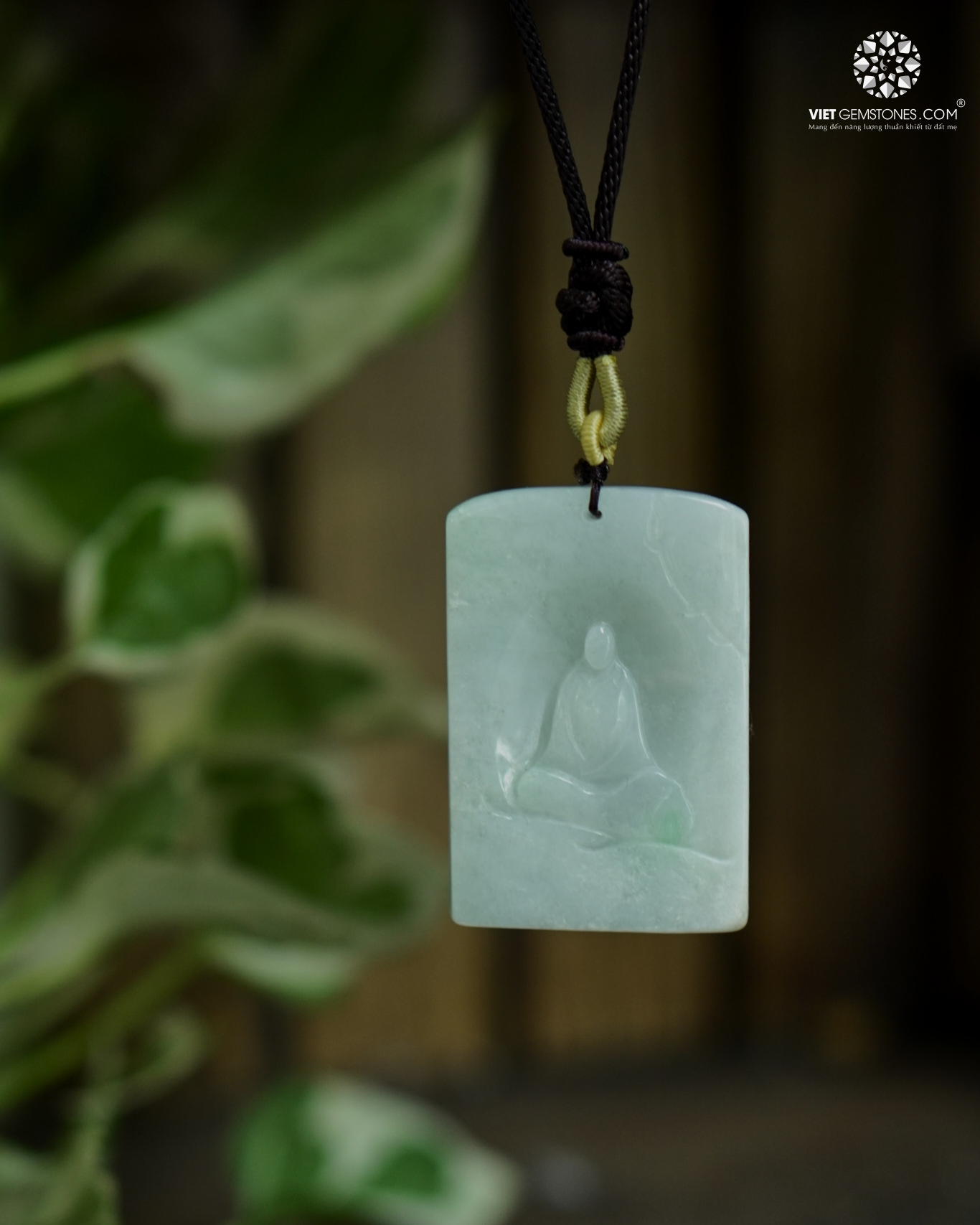

Ngộ đạo không phải là đích đến, mà là một hành trình
Trong tiếng Hán, "Ngộ" (悟) có nghĩa là giác ngộ, nhận ra. "Đạo" (道) là con đường, là quy luật vận hành của vũ trụ và cũng là chân lý mà con người luôn đi tìm.
Bởi vậy, ngộ đạo không đơn thuần là hiểu một triết lý hay ghi nhớ một giáo lý nào đó. Đó là sự chuyển hóa trong nhận thức, là khi con người bắt đầu nhìn cuộc sống bằng một góc nhìn sâu sắc và bao dung hơn.
Có người ngộ đạo sau một biến cố lớn. Có người sau nhiều năm mưu cầu danh lợi mới hiểu điều mình thực sự cần. Cũng có người chỉ nhờ một buổi sáng ngồi yên trước thiên nhiên, bất chợt nhận ra rằng có những điều không cần phải nắm giữ mới thuộc về mình.
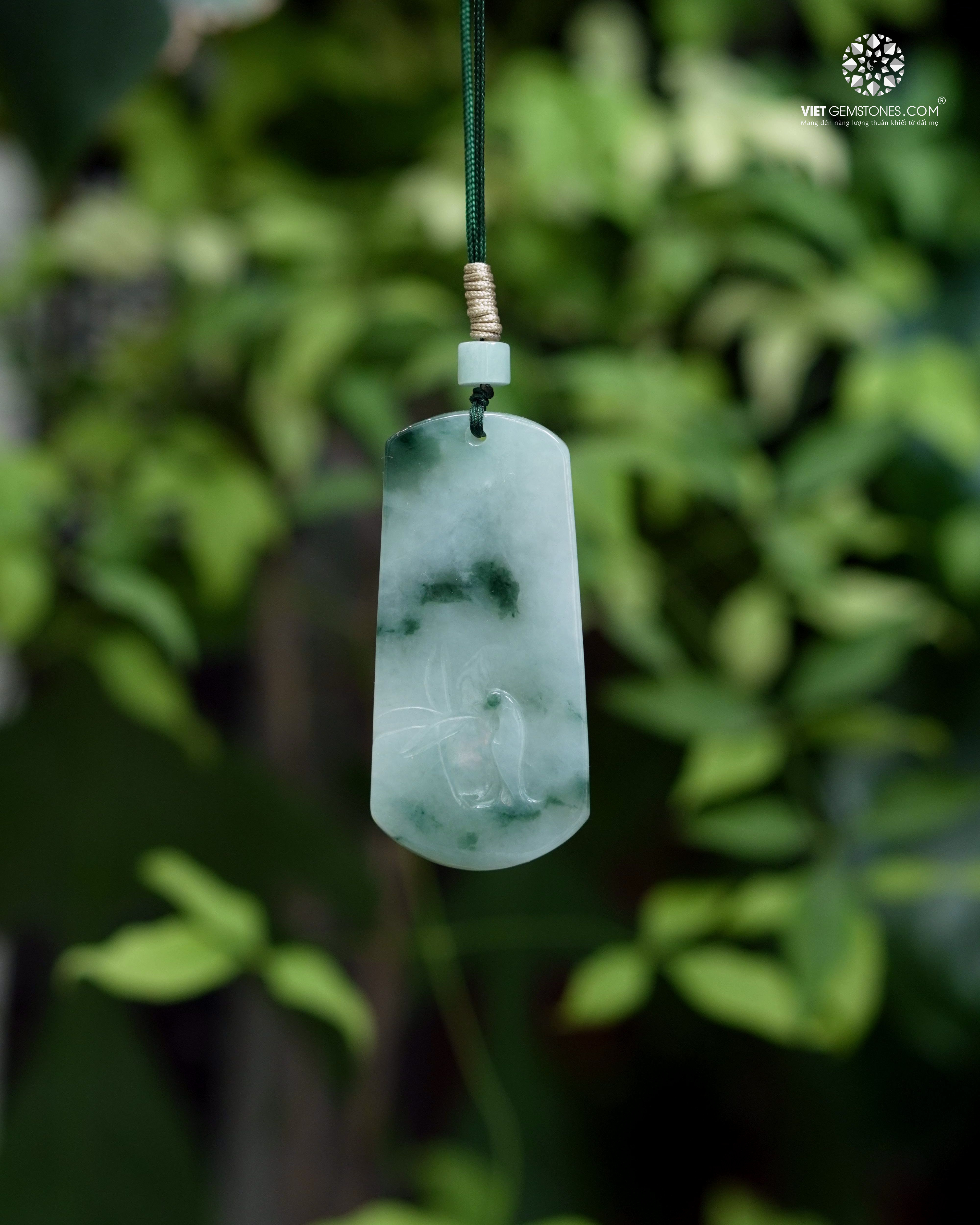

Chính vì thế, ngộ đạo không phải là một đích đến cụ thể mà đó là một hành trình dài nơi mà mỗi người không ngừng học hỏi, trải nghiệm và trưởng thành.
Người phương Đông nhìn về ngộ đạo như thế nào?
Từ hàng nghìn năm trước, người phương Đông đã không ngừng đi tìm câu trả lời cho một câu hỏi tưởng rất đỗi đơn giản: Làm thế nào để sống một cuộc đời bình an và có ý nghĩa?
Mỗi trường phái triết học, mỗi tôn giáo đều có cách lý giải riêng. Con đường có thể khác nhau, nhưng điểm đến lại gần như nhau: con người chỉ thật sự an yên khi hiểu được chính mình và hiểu được quy luật của cuộc sống. Đó cũng chính là tinh thần của ngộ đạo.
Trong Phật giáo, ngộ đạo là sự giác ngộ về bản chất của cuộc đời. Con người đau khổ vì cố nắm giữ những điều vốn vô thường, vì chấp vào một cái "tôi" luôn thay đổi theo hoàn cảnh. Khi nhận ra quy luật ấy, tâm dần trở nên nhẹ hơn. Không phải vì cuộc sống bớt khó khăn, mà vì con người đã thôi chống lại những điều vốn không thể cưỡng cầu.
Hành trình Đức Phật Thích Ca Mâu Ni tìm đạo và chứng ngộ dưới cội Bồ Đề vì thế không chỉ là câu chuyện của một bậc giác ngộ, mà còn là biểu tượng cho hành trình đi tìm chân lý của mỗi con người.
Trong khi đó, Đạo giáo lại tiếp cận ngộ đạo từ một góc nhìn khác.
Nếu Phật giáo hướng con người nhìn vào nội tâm để hiểu bản chất của khổ đau, thì Đạo giáo khuyên con người quan sát thiên nhiên để hiểu quy luật của vạn vật.
Lão Tử cho rằng mọi sự trên đời đều có nhịp điệu riêng. Nước không tranh với đá chỉ lặng lẽ tìm đường mà đi. Bốn mùa thay đổi mà không cần ai thúc ép. Con người cũng vậy, càng cưỡng cầu, càng dễ đánh mất sự bình an vốn có.
Bởi thế, "vô vi" trong Đạo giáo không có nghĩa là mặc kệ mọi việc, mà là biết hành động hài hòa với quy luật tự nhiên, biết tiến khi cần tiến và biết dừng khi cần dừng.
Nhìn từ hai góc độ khác nhau, Phật giáo và Đạo giáo dường như vẫn gặp nhau ở cùng một điểm. Ngộ đạo không phải là đạt được điều gì ở bên ngoài, mà là một sự chuyển hóa ở bên trong. Thế giới vẫn là thế giới ấy, nhưng cách con người nhìn nhận nó đã khác.
Ngộ đạo không đơn thuần là học được một điều mới, mà là khoảnh khắc con người thực sự thấu hiểu một chân lý nào đó về cuộc sống, về thế giới và về chính mình.
Đó là lý do vì sao, trong văn hóa phương Đông, ngộ đạo luôn được xem là một trong những hành trình đẹp nhất của một đời người.
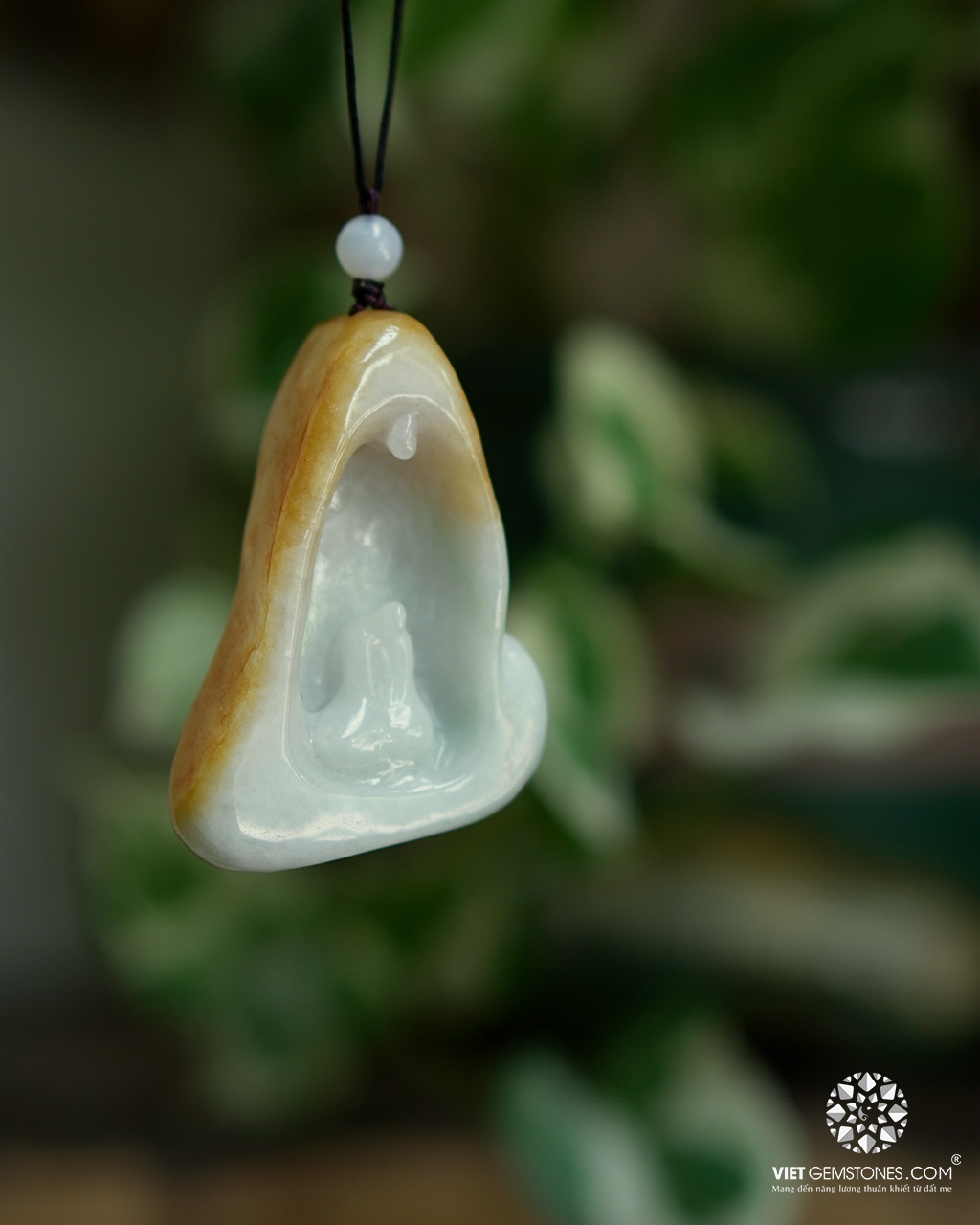

Vì sao hình ảnh ngộ đạo luôn xuất hiện trong nghệ thuật phương Đông?
Chính vì mong muốn lưu giữ tinh thần ấy, người xưa cũng rất cẩn trọng trong việc lựa chọn chất liệu để tạo nên các tác phẩm.
Bên cạnh gỗ, đồng hay đá, ngọc cẩm thạch là một trong những chất liệu được trân quý nhất trong nghệ thuật Á Đông. Từ tượng Phật, tượng Bồ Tát đến hình ảnh các bậc hiền triết hay những vật phẩm mang ý nghĩa tu dưỡng, ngọc xuất hiện không chỉ vì vẻ đẹp quý hiếm mà còn bởi những giá trị biểu tượng gắn liền với nó.
Một viên ngọc được hình thành qua hàng triệu năm dưới lòng đất, trải qua áp suất và nhiệt độ khắc nghiệt trước khi bộc lộ vẻ đẹp vốn có. Hành trình ấy khiến người xưa liên tưởng đến chính con đường tu dưỡng của con người. Sự điềm tĩnh, trí tuệ hay lòng bao dung cũng không đến trong một sớm một chiều, mà được vun đắp qua thời gian, trải nghiệm và những lần đối diện với chính mình.
Bởi vậy, khi một hình tượng ngộ đạo được tạc từ ngọc, người ta không chỉ nhìn thấy sự kết hợp giữa một chủ đề và một chất liệu. Đó còn là sự gặp gỡ giữa hai biểu tượng cùng nói về một giá trị: hành trình con người từng bước gọt giũa nội tâm để hướng đến sự bình an và sáng suốt.
Có lẽ vì thế mà trong văn hóa phương Đông, ngọc không chỉ là vật liệu của nghệ thuật. Nó còn trở thành một biểu tượng cho sự tu dưỡng, rất gần với tinh thần mà khái niệm ngộ đạo luôn hướng tới.
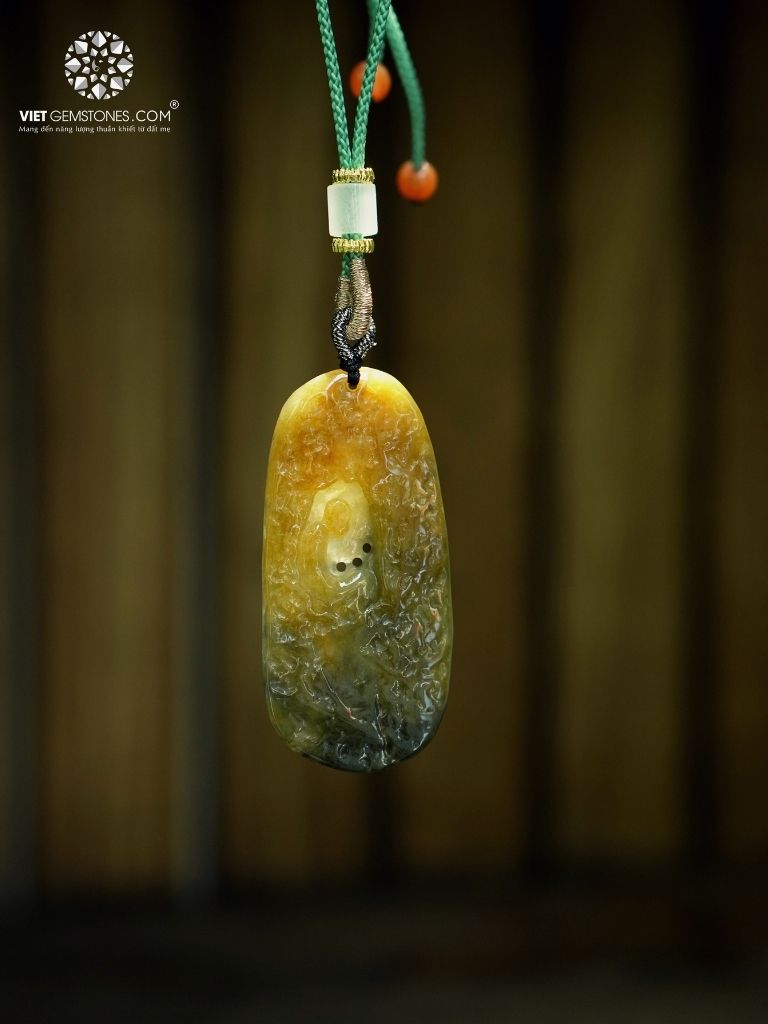

Tại VietGemstones, chúng tôi luôn tin rằng giá trị của một món trang sức không chỉ nằm ở chất liệu quý hiếm hay kỹ thuật chế tác, mà còn ở câu chuyện văn hóa và tinh thần mà nó gìn giữ. Mỗi viên ngọc, mỗi tác phẩm điêu khắc hay những món trang sức lấy cảm hứng từ triết lý phương Đông đều là lời nhắc nhẹ nhàng về sự tĩnh tại, lòng bao dung và hành trình không ngừng hoàn thiện bản thân. Đó không phải là lời hứa về may mắn, mà là lời nhắc nhở mỗi người dành cho mình một khoảng lặng để lắng nghe và thấu hiểu chính mình.
English Version:
What Is Enlightenment? Why Eastern Culture Has Long Cherished the Journey Within
There are things in life we may hear countless times without truly understanding them.
We know that everything changes, yet we still struggle with goodbye. We understand that wealth is not everything, yet we often spend years pursuing what lies outside ourselves. We hear people speak of peace of mind, but sometimes it takes a difficult experience, a loss, or simply the passage of time before we understand what peace really means.
In Vietnamese culture, there is an old idea that speaks to this moment of realization: ngộ đạo.
It is not simply about learning something new. It is about suddenly seeing something that has always been there from a different perspective.
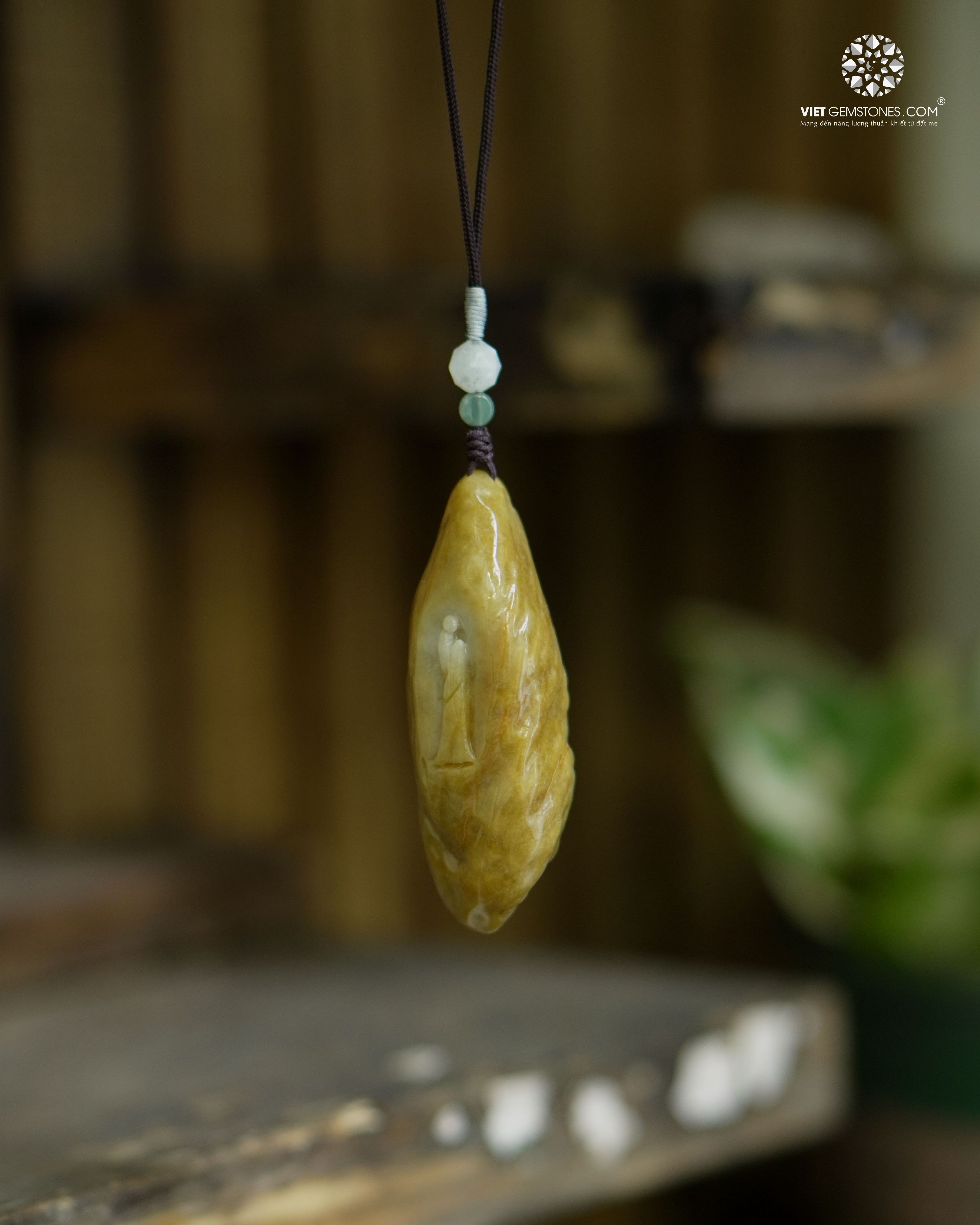

Perhaps that is why the idea of enlightenment has remained so deeply rooted in Eastern culture—not as a distant or mystical concept, but as a lifelong journey of understanding oneself and the world.
Enlightenment Is a Journey, Not a Destination
The Vietnamese expression ngộ đạo comes from two Sino-Vietnamese words. Ngộ (悟) means to awaken, to realize, or to gain insight. Đạo (道) refers to the Way—the path, the underlying order of life, and the truth that human beings seek to understand.
Together, ngộ đạo can be understood as awakening to the Way.
But enlightenment is not simply the ability to understand a philosophy or memorize a teaching. It is a change in perception.
Sometimes it comes after a major turning point in life. Sometimes it arrives after years of pursuing success, recognition, or material things, only to realize that they were not what we truly needed.
And sometimes, it arrives quietly—a moment sitting alone in nature, watching the rain, walking through a forest, or simply becoming still enough to realize that not everything needs to be held onto.
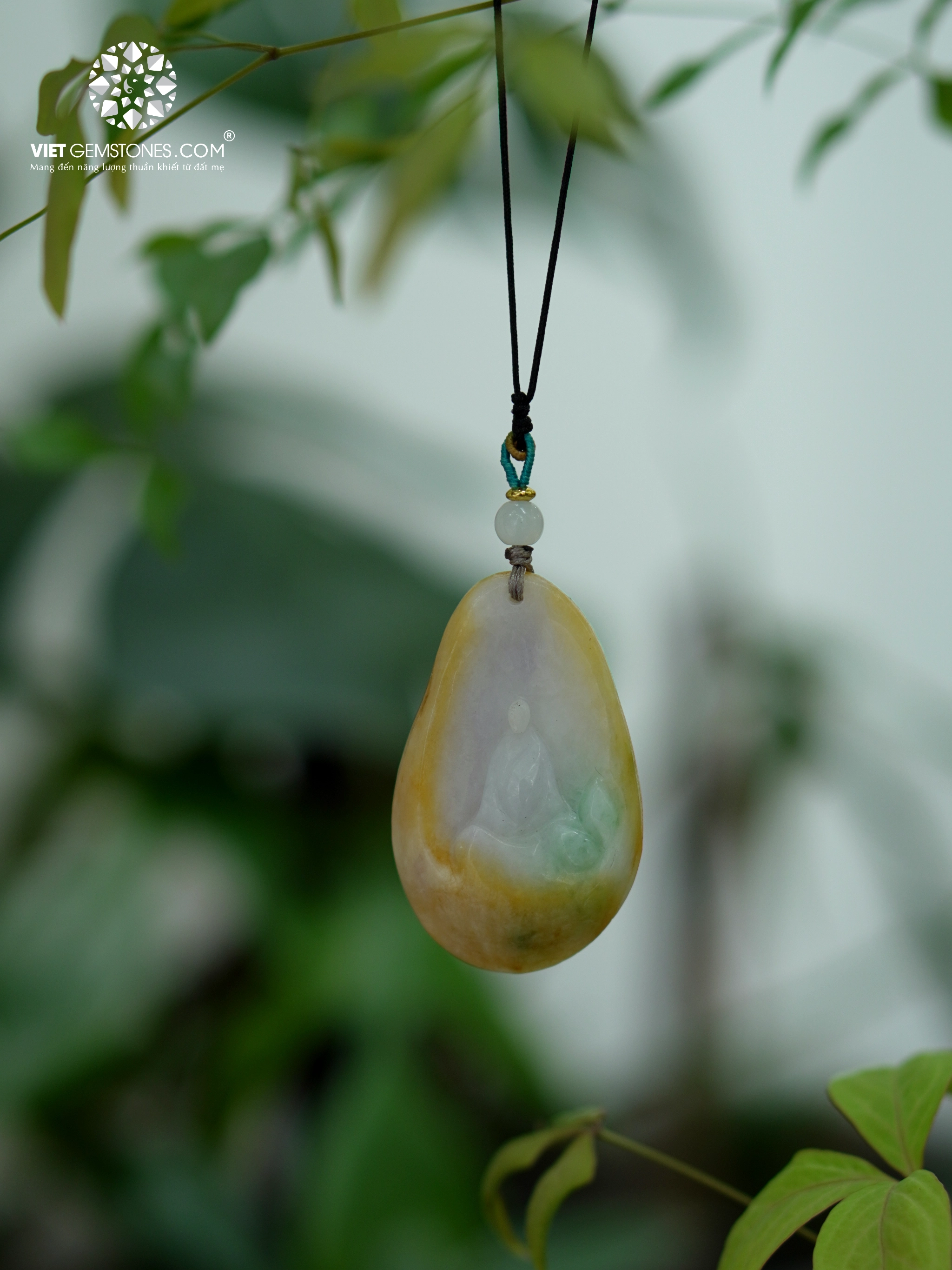

This is why enlightenment in Eastern thought is rarely presented as a final destination. It is a process of learning, experiencing, reflecting, and gradually becoming more aware.
How Does Eastern Culture Understand Enlightenment?
For thousands of years, Eastern philosophies and spiritual traditions have explored a fundamental question:
How can we live a meaningful and peaceful life in a constantly changing world?
There is no single answer.
In Buddhism, enlightenment is closely connected to understanding the nature of suffering. Human beings suffer when they cling to things that are impermanent—relationships, possessions, circumstances, and even our sense of self.
When we begin to understand impermanence, peace does not necessarily come because life becomes easier. Rather, we become less resistant to the things we cannot control.
The story of Shakyamuni Buddha, who attained enlightenment beneath the Bodhi Tree, has therefore become one of the most enduring symbols of humanity's search for truth and self-understanding.
Taoism approaches the journey differently.
Rather than looking only inward, Taoist thought often turns to nature for wisdom. Water does not fight with the rocks in its path; it simply finds another way forward. The seasons change without force or resistance. Nature moves according to its own rhythm.
Laozi's idea of Wu Wei (無為) is often translated as "non-action," but it does not mean doing nothing. It suggests acting in harmony with the natural order of things—knowing when to move forward, when to pause, and when not to force what cannot be forced.
Buddhism and Taoism are distinct traditions, yet they share an important insight:
The world does not necessarily have to change for us to find peace. Sometimes, what needs to change is the way we see it.
When Enlightenment Becomes Art
These ideas did not remain within temples, philosophical texts, or religious teachings. They gradually became part of the visual culture of East Asia.
In Vietnamese and other Eastern traditions, images of the Buddha, Bodhisattvas, sages, monks, and hermits often appear remarkably calm.
Their eyes may be lowered. Their expressions are gentle. Their bodies appear relaxed rather than powerful.
They are rarely depicted as conquerors.
Instead, they represent something quieter: a person who has learned to look beyond attachment, anger, fear, and the endless pursuit of the external world.
For the artist, capturing this state of mind was not simply a matter of carving a face or shaping a body. The material itself could also carry meaning.
And among the materials treasured throughout Eastern art, jadeite holds a particularly meaningful place.
Why Jadeite?
In East Asian culture, jade has long been valued for far more than its beauty.
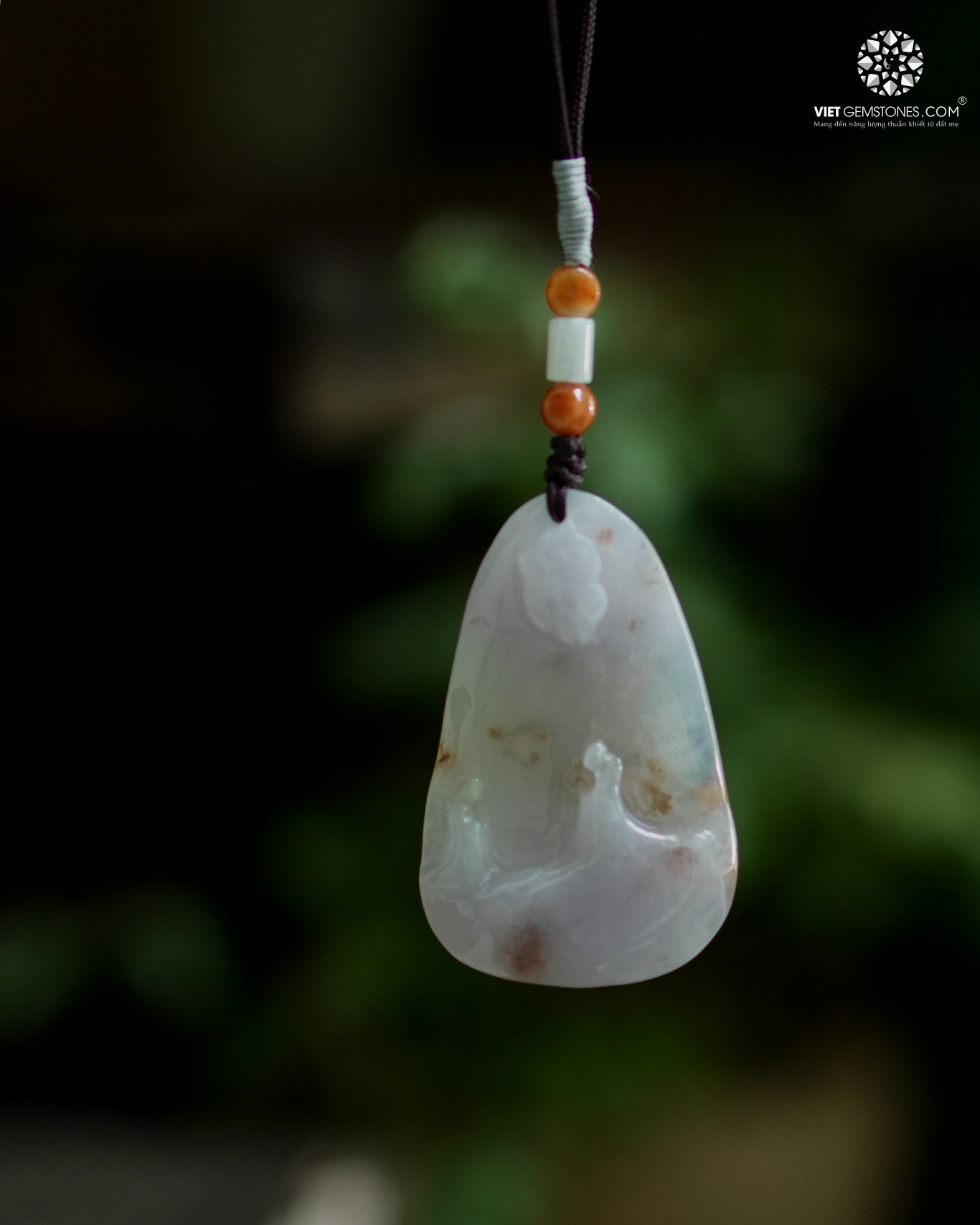

Its quiet luster, strength, smoothness, and enduring nature have been associated with qualities such as integrity, dignity, restraint, and moral cultivation. In the Confucian tradition, jade was famously used as a metaphor for the virtues of a noble person.
This cultural understanding made jade especially meaningful when creating objects connected with spirituality, philosophy, and self-cultivation.
There is also something poetic about the way jade itself is formed.
Natural jadeite develops through complex geological processes over immense periods of time. Its beauty is the result of pressure, transformation, and time—not something created instantly.
This offers a powerful metaphor for human growth.
Wisdom takes time.
Patience takes practice.
Compassion grows through experience.
And inner peace is rarely something that can be achieved overnight.
This is why jadeite and the image of enlightenment can exist so naturally alongside one another in Eastern art. The jade does not create enlightenment, nor does it promise spiritual power. Instead, its qualities echo the idea behind the journey: that the most meaningful forms of beauty are gradually shaped through time and cultivation.
When a Buddha, Bodhisattva, or enlightened figure is carved from jadeite, the sculpture therefore carries two layers of meaning.
The figure represents the possibility of inner awakening. The jade represents the long process of cultivation. Together, they tell a quiet story about becoming.
The Journey Back to Ourselves
Today, ngộ đạo does not have to belong only to monks, philosophers, or religious practitioners.
Everyone has moments when life changes the way we see things.
It may happen after failure, after loss, after years spent pursuing something we once believed was important. Or it may happen in an ordinary moment when we suddenly realize that we do not need to rush, possess, or control everything.
Perhaps enlightenment is not about discovering something far away.
Perhaps it is about returning to something within ourselves.
To understand life a little more deeply.
To accept what cannot be changed.
To become more compassionate toward others—and toward ourselves.
This may be why the image of enlightenment has endured for centuries in Vietnamese and Eastern culture. It is not simply a religious image or an ancient philosophical idea.
It is a reminder that some of the most valuable things in life are not found outside of us.
They are cultivated, patiently, over time.
And perhaps that is also what makes a piece of natural jadeite so meaningful—not because it promises anything beyond itself, but because its quiet beauty can remind us of the same truth:
What is truly precious takes time to become.
Bạn có thể quan tâm

Ngọc Hòa Điền: Viên Ngọc Của Thời Gian Và Nghệ Thuật “Nhìn Ra Vẻ Đẹp”
Trước khi chọn một viên ngọc, có lẽ điều thú vị nhất là dành thời gian để hiểu nó. Bởi một viên ngọc đẹp không chỉ nằm ở màu sắc hay độ trong. Đằng sau vẻ ngoài ấy là cả quá trình hình thành, chất liệu, cấu trúc và cả những đặc điểm riêng khiến mỗi viên trở nên khác biệt. Trong giới ngọc, Hòa Điền là cái tên được nhắc đến từ rất lâu. Không chỉ bởi vẻ đẹp mềm mại, có chiều sâu gắn liền với một hành trình dài của văn hóa, lịch sử và nghệ thuật. Vậy điều gì khiến Hòa Điền trở thành một trong những dòng ngọc được yêu thích đến vậy? Và khi chọn lựa Ngọc...
Thứ Bảy, 03/10/2026

Nhẫn cẩm thạch nguyên khối: Ý nghĩa phong thủy, cách chọn và cách đeo vừa vặn nhất
Trong tất cả các món trang sức làm từ ngọc Phỉ Thúy, nhẫn nguyên khối có lẽ là món trang sức Phỉ Thúy mang lại cho tụi mình nhiều cảm xúc nhất mỗi khi trò chuyện cùng khách hàng. Để chế tác ra được một chiếc nhẫn nguyên khối tròn trịa luôn là một bài toán "đầy rủi ro" của người thợ kim hoàn. Bỏ qua mọi cấu trúc khung kim loại che chắn, chiếc nhẫn này bắt buộc viên đá gốc phải đủ phẩm chất để "tự tỏa sáng". Bạn sẽ nhìn thấy trọn vẹn vẻ đẹp của nó, từ chỗ mọng trong mướt mắt cho đến cả những điểm xơ ngọc tự nhiên. Nhưng chơi ngọc cũng như tìm một người...
Thứ Bảy, 03/10/2026

Vòng cẩm thạch nguyên khối: chọn thế nào cho đúng và cách nhận biết thật - giả
“Vòng này có thật không shop?”, “Con xem giúp cô vòng của cô thật hay giả?” “Vòng này lúc trước mình mua giá như vậy là cao hay thấp?” là những câu hỏi tụi mình thường được nhận khi tư vấn.Câu hỏi thì ngắn, nhưng câu trả lời lại chưa bao giờ ngắn được. Bởi vì trong thế giới cẩm thạch, hai chữ "ngọc thật" gói gọn ít nhất ba tầng nghĩa: Thật về chất liệu: Chuẩn ngọc tự nhiên, không phải thủy tinh hay nhựa giả đá. Thật về xử lý: Chưa qua tẩy rửa axit hay bơm keo hóa chất. Thật về giá trị: Chất lượng ngọc thực sự tương xứng với số tiền bạn đã bỏ ra. Ba tầng nghĩa ấy...
Thứ Bảy, 05/09/2026

Cẩm Thạch, Phỉ Thúy, Ngọc Bích: Ba Cái Tên, Hai Viên Đá Và Một Sự Nhầm Lẫn Kéo Dài
Có một câu hỏi tưởng như rất đơn giản khi bắt đầu tìm hiểu về ngọc: Rốt cuộc “ngọc” là gì? Ở Việt Nam, ba cái tên cẩm thạch, phỉ thúy và ngọc bích thường được nhắc đến cùng nhau. Có khi chúng được dùng như những cách gọi khác nhau của cùng một loại đá. Nhưng thực tế không hẳn như vậy. Đằng sau ba cái tên ấy là hai loại khoáng vật khác nhau — có cấu trúc, tính chất, nguồn gốc địa chất và lịch sử văn hóa khác nhau. Và có lẽ chính sự lẫn lộn này khiến câu chuyện về ngọc trở nên thú vị hơn rất nhiều. Bắt đầu từ một chú chim Trong ba cái tên trên, phỉ thúy...
Thứ Ba, 01/09/2026

The Vietnamese Tradition of Wishing for Safe Journeys: The Story Behind Car Hanging Ornaments
In Vietnam, there is a simple wish that often accompanies every journey: “Bình an” — may you arrive safely. It is a wish we say when someone leaves home, a phrase we send with a loved one traveling far away, and sometimes, something we quietly carry with us. This quiet desire for safety has also found its place in everyday objects. One of them is the Khánh Treo Xe — A Car Hanging Ornament traditionally placed inside a car, often near the rear-view mirror. To some, it is simply a beautiful decoration. To others, it carries a much more personal meaning: a reminder to travel carefully, to keep a peaceful mind, and to return home safely. At VietGemstones, we see the Khánh Treo Xe...
Thứ Năm, 20/08/2026

Nhận biết các đặc điểm tự nhiên của ngọc Jadeite - Vân, sớ, bông, rạn, rễ màu
Các bài viết liên quan: Tiêu chí đánh giá phẩm chất và phân cấp ngọc Phỉ Thúy Đôi nét về Phỉ thúy và những hiểu lầm về ngọc Phỉ Thúy thường gặp Nhận biết các màu sắc của phỉ thuý (Jadeite) Là ngọc hay đá – Góc nhìn của người làm nghề đá tự nhiên Lợi ích khi đeo vòng ngọc Jade - hành trình của người và ngọc Nếu đặt một viên phỉ thuý bên cạnh thủy tinh hay kim loại, sự khác biệt lớn nhất không nằm ở màu sắc hay độ bóng, mà nằm ở bản chất cấu trúc. Jadeite không phải là một khối đồng nhất, mà là một hệ thống đa tinh thể cực kỳ phức tạp, được tạo thành từ...
Thứ Bảy, 04/04/2026